TEXTILE HYBRID LAB
The Textile Hybrid Lab at Dongguk University’s Seoul campus, founded and directed by Prof. Seonyoung Youn, focuses on textile-based hybrid materials for healthcare, wearable technology, and rehabilitation.
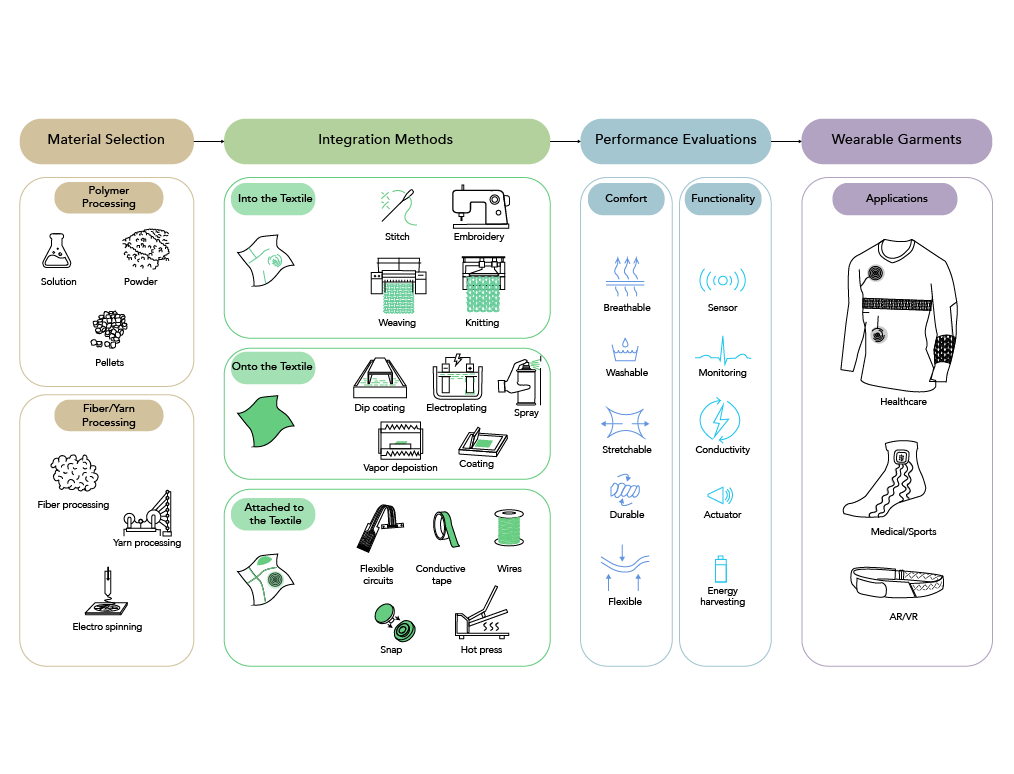
Textiles have long served as one of the closest and most intimate interfaces between the human body and the surrounding environment. With advances in science and technology, textiles are evolving beyond passive materials into smart, responsive systems for everyday life. As one of the most comfortable, breathable, and body-conforming materials, textiles offer unique potential for integrating technology in ways that enhance daily experiences, support well-being, and address social and environmental challenges.
Our lab explores how textiles, as interfaces between the body and the world, can improve human experience, promote health and rehabilitation, and contribute to more sustainable and inclusive futures. We conduct research at the intersection of materials science, textile technology, digital fabrication, fashion design, and human-computer interaction. By synthesizing knowledge across these fields, we aim to advance the field of smart textiles that seamlessly interface with both the body and the environment.
Our current investigations include:
Wearable Health Monitoring
We develop textile-based wearable systems for health monitoring, rehabilitation, and therapeutic support. By integrating sensing, actuation, and simulation-based optimization, we explore how textiles can enhance functionality, improve comfort, and provide adaptive, body-centered care.
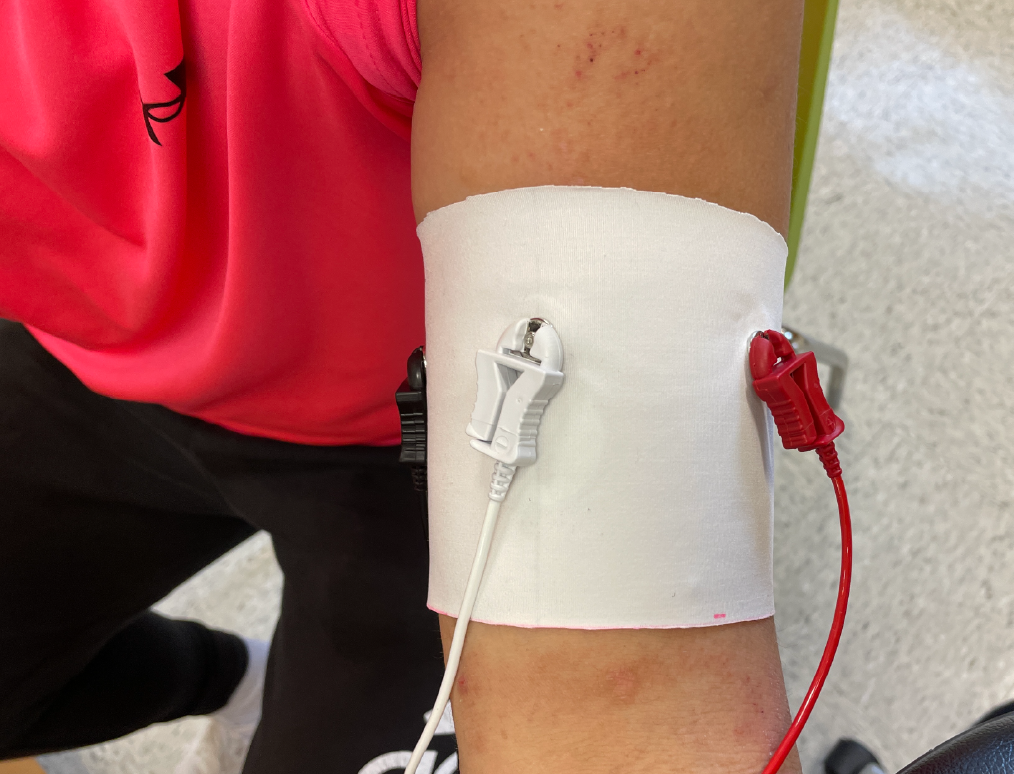
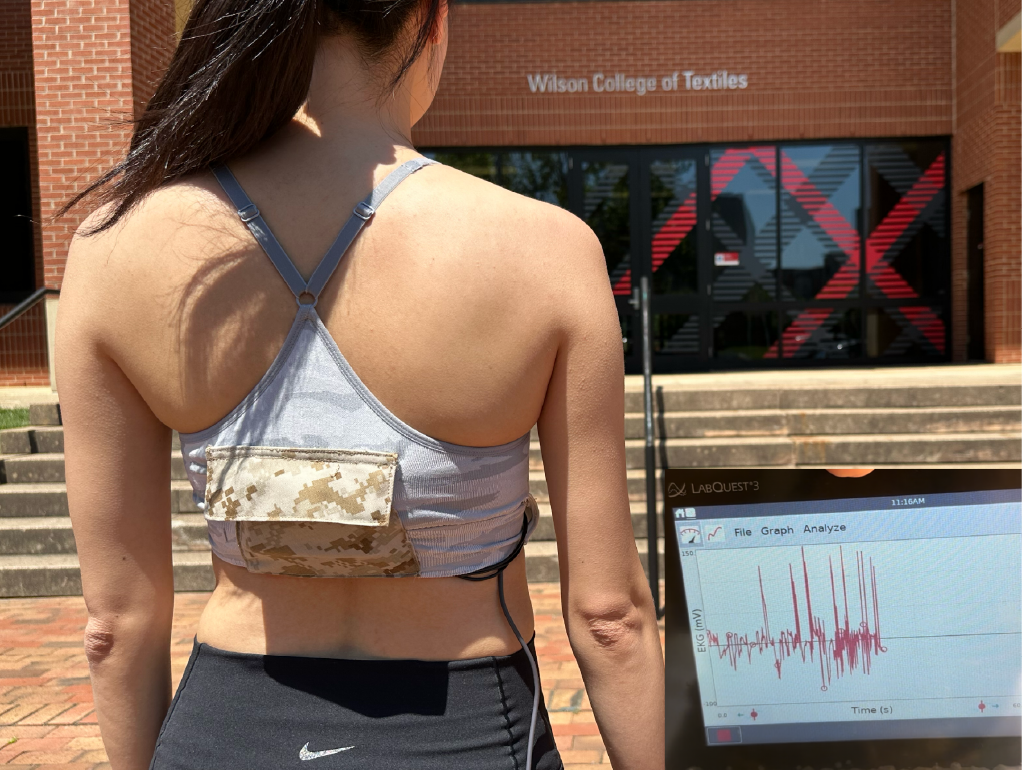
ECG armband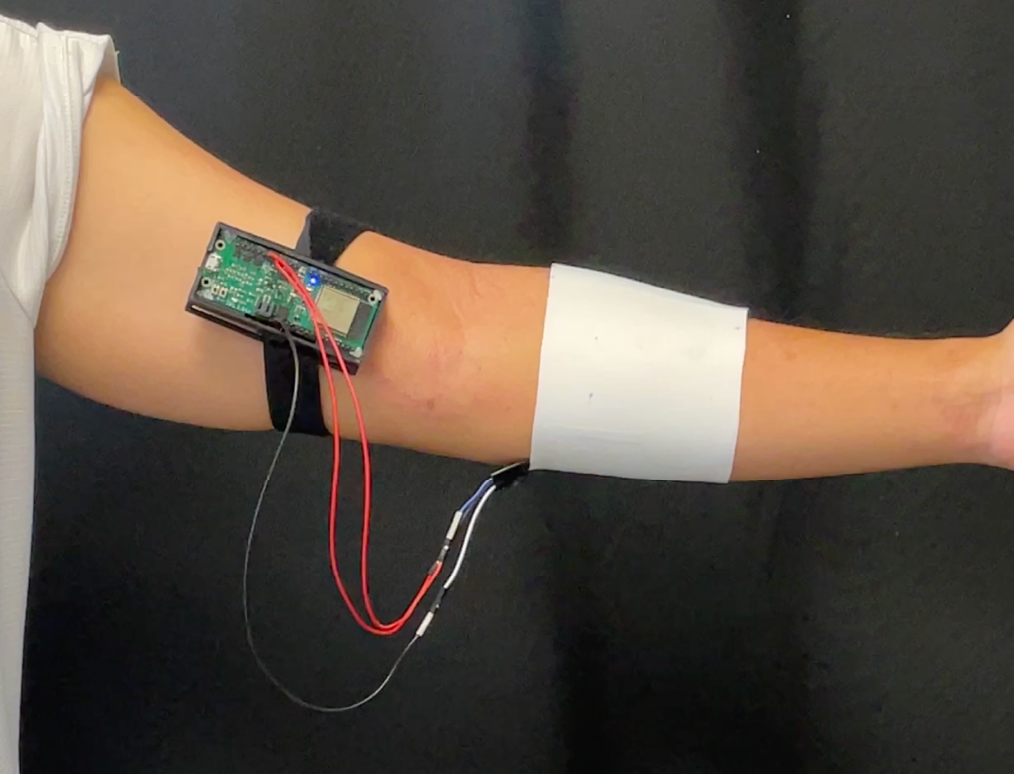
FitECG: ECG sports braEMG armbandRobotic & E-Textiles
We investigate robotic textiles that actively respond to the body through programmable materials, soft actuation, and compression-based interfaces.
Our work explores how textile structures and robotic yarns can enable wearable systems that are soft, functional, and seamlessly integrated into everyday life.
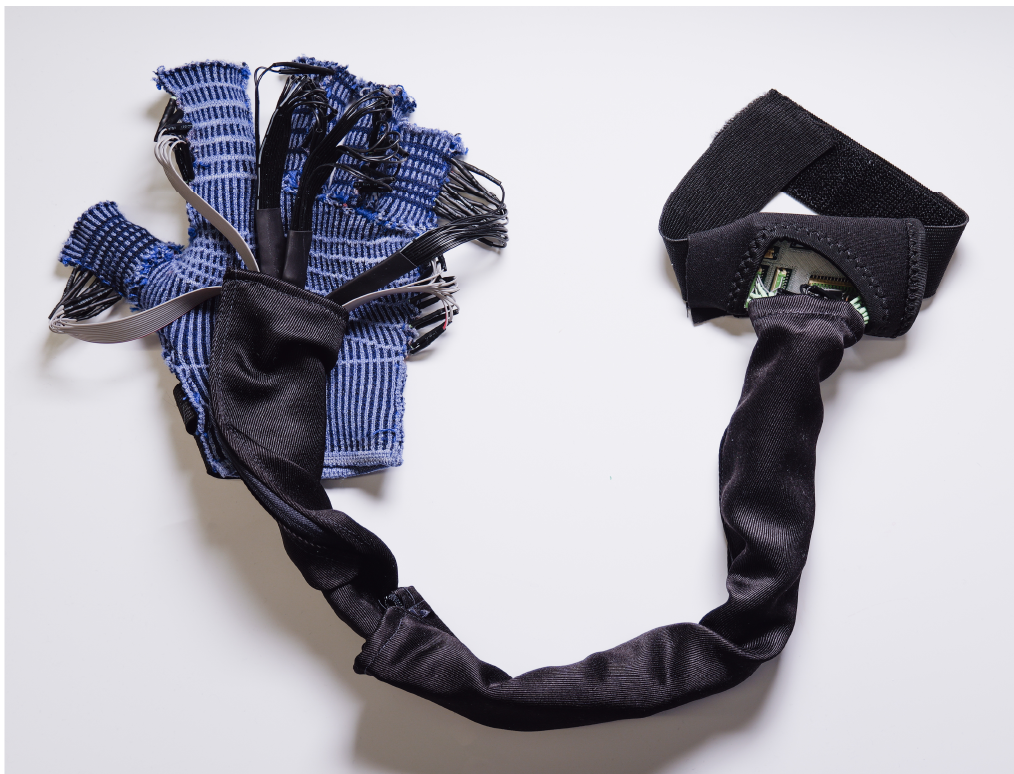
Edemaflex: robotic textile glove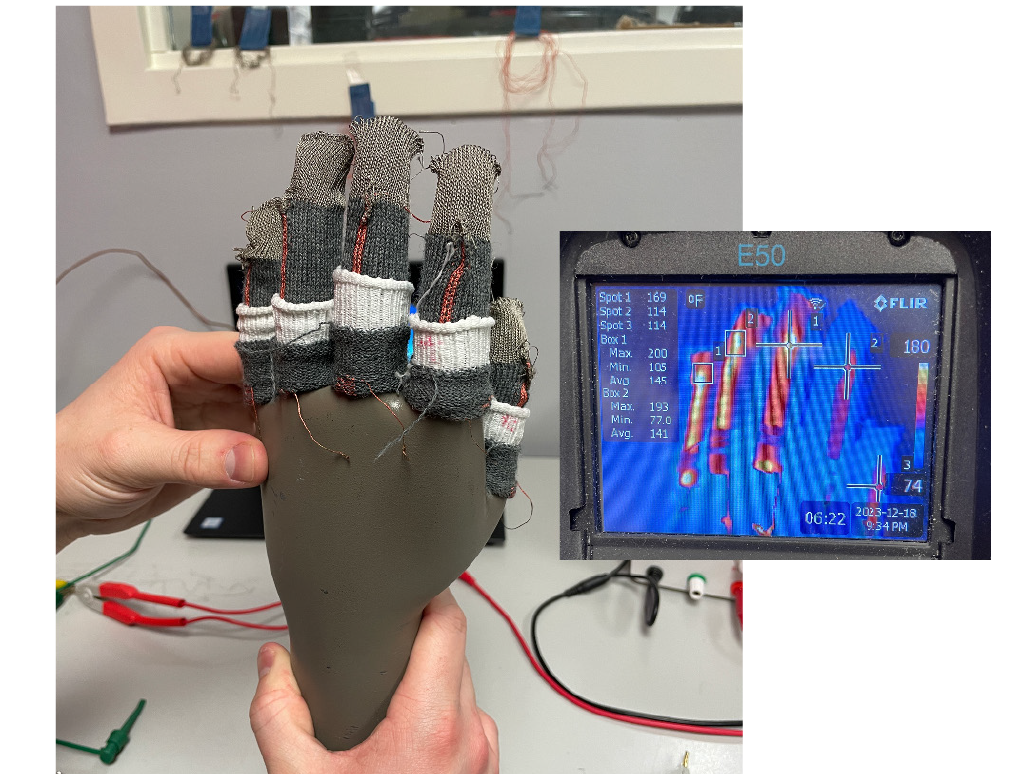
woven e-textileshEATING GLOVETextile Digitization
We study how textiles can be translated into digital models through AI-based textile digitization, virtual simulation, and drape analysis.
By connecting physical materials with computational tools, we aim to improve the accuracy, accessibility, and scalability of digital textile design.
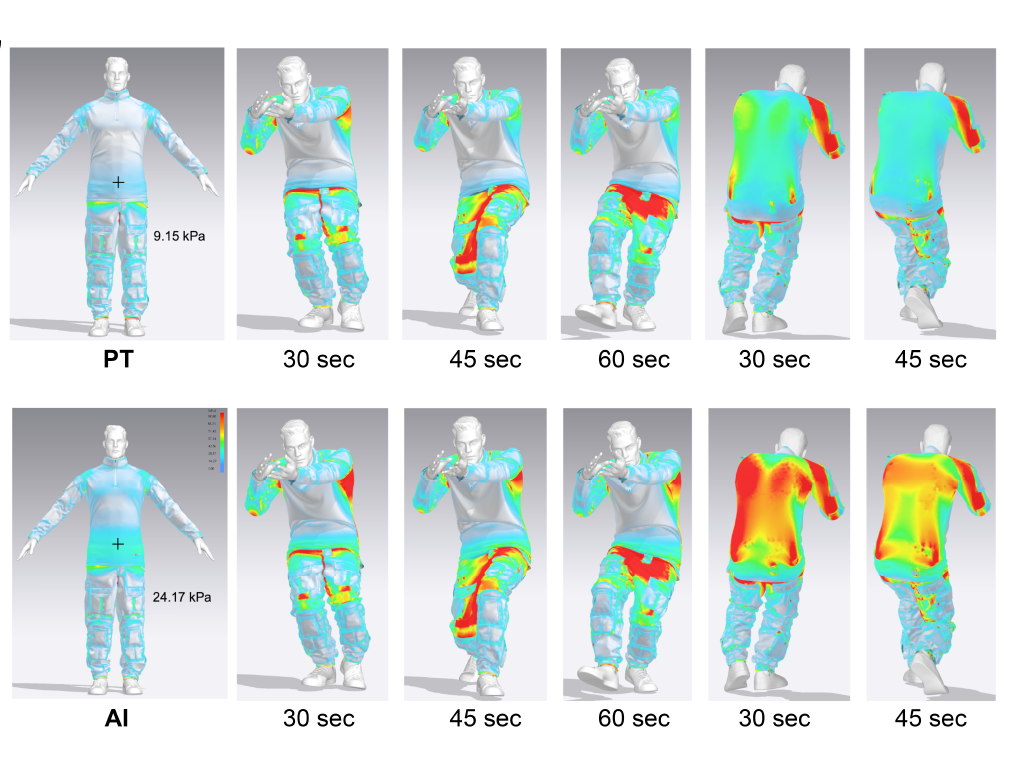
AI-based textile digitization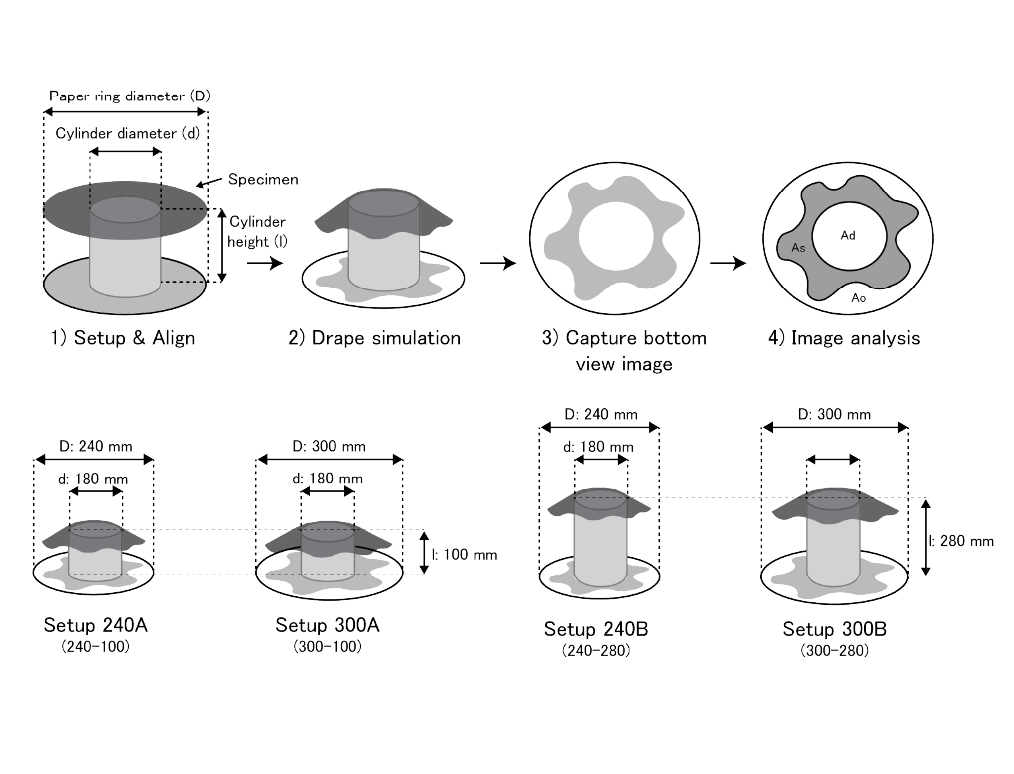
Virtual drape test method DEVELOPMENT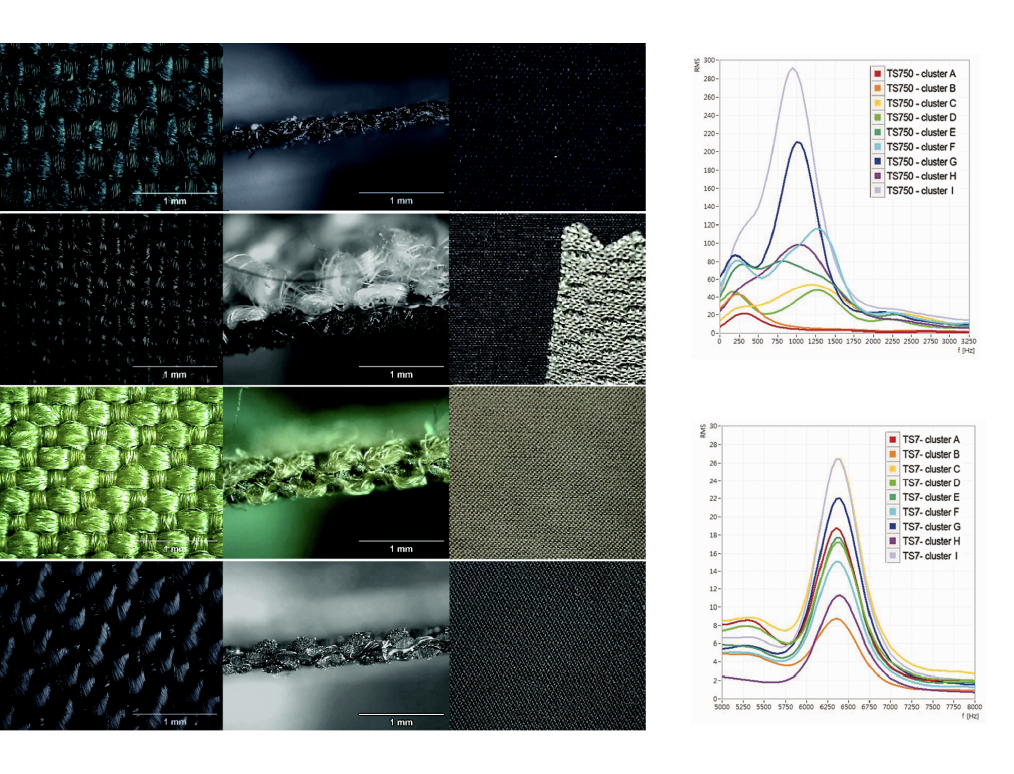
Textile softness & smoothness INDEXFunctional Textiles
We develop advanced functional textiles with engineered surface and material properties for wearable and environmental applications.
Our research explores how textile materials can be enhanced to achieve new performance, protection, and responsiveness in everyday and specialized contexts.
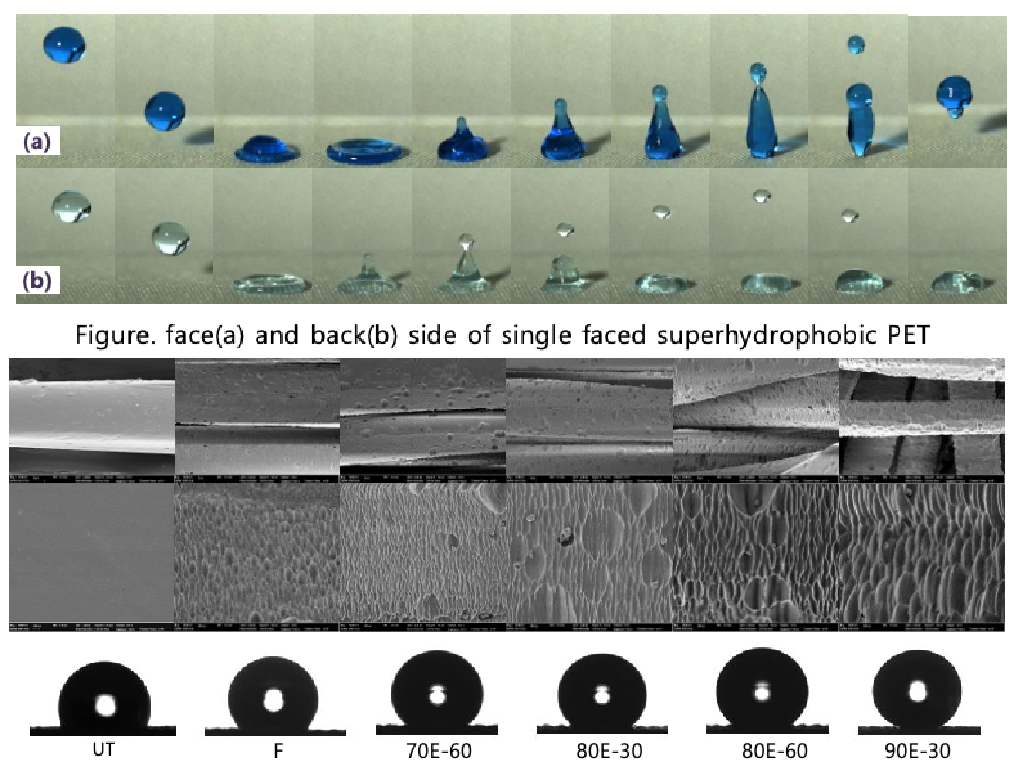
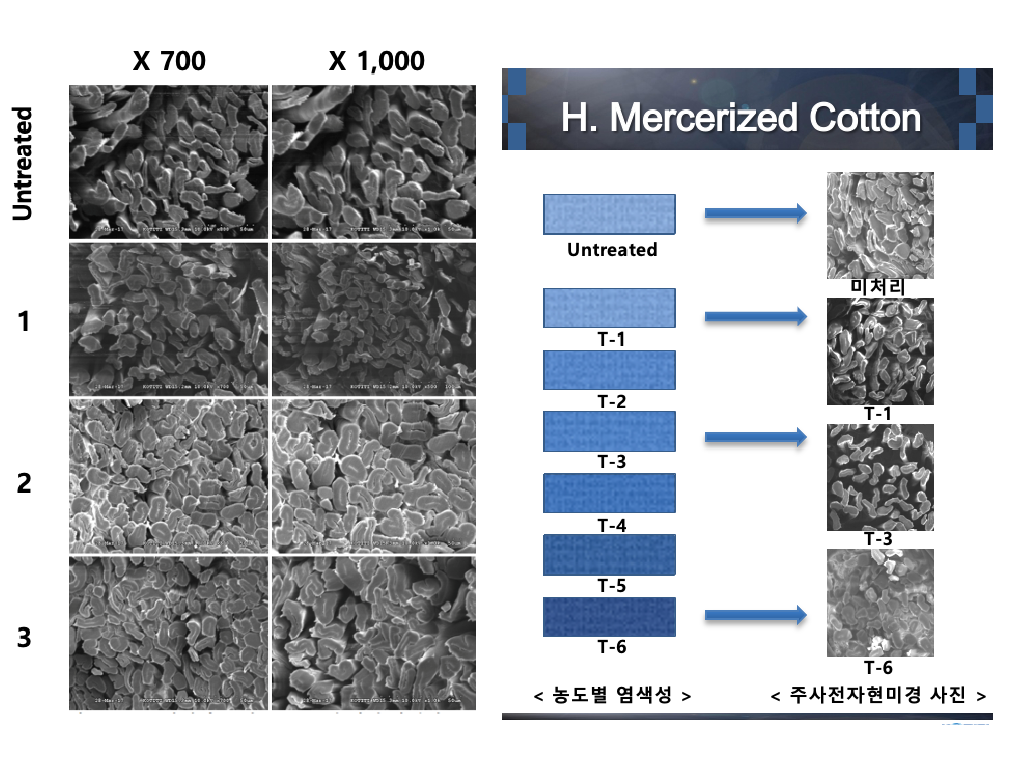
SUPERHYDROPHOBIC TEXTILESUSTAINABLE TEXTILE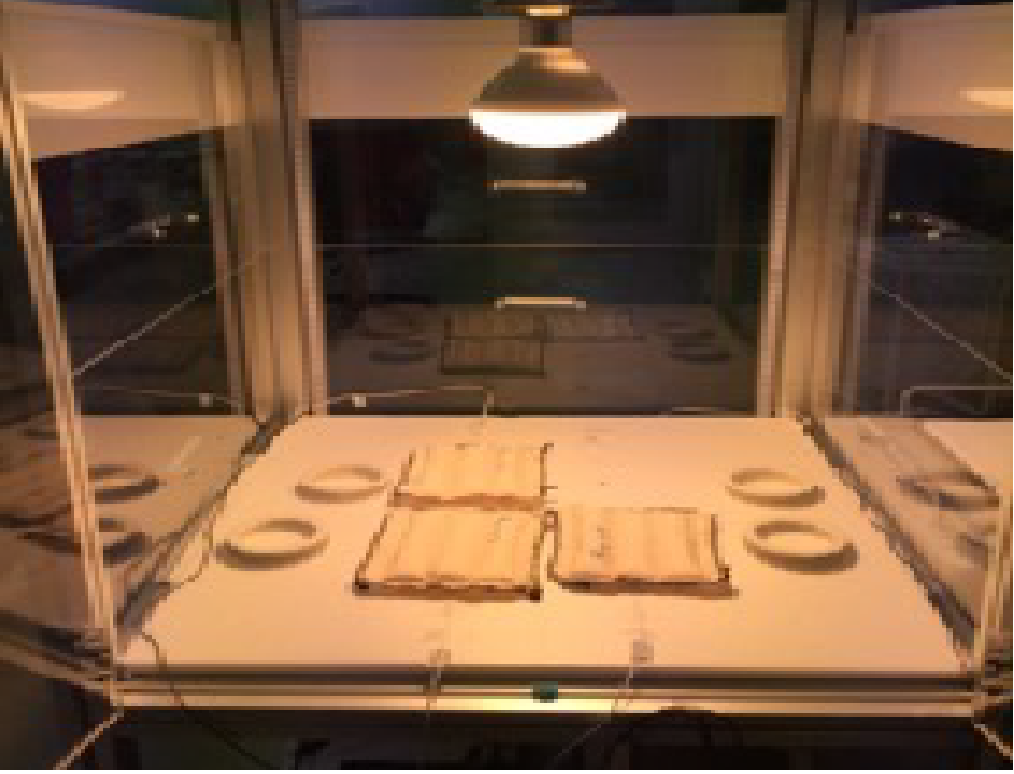
LIGHT IRRADIATION TEXTILE